

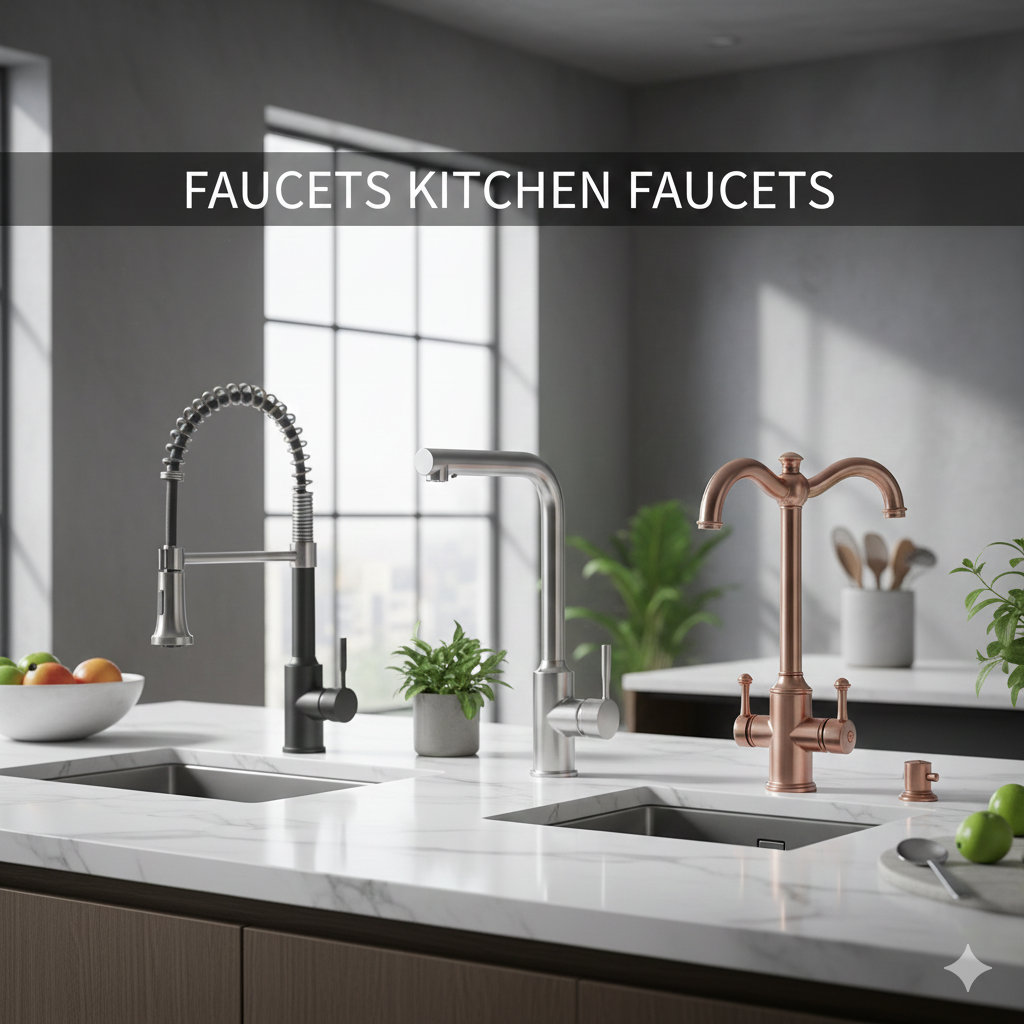
Faucets Kitchen faucets are more than just a water outlet—they are one of the most used fixtures in any home. From washing vegetables to cleaning dishes and filling large pots, the right kitchen faucet can dramatically improve both convenience and style in your kitchen.
With countless designs, features, and finishes available today, choosing the perfect kitchen faucet can feel overwhelming. This guide breaks everything down in simple terms so you can make a confident and informed decision.
Why Kitchen Faucets Matter More Than You Think
A kitchen faucet is used dozens of times every day. A poor-quality faucet can lead to leaks, low water pressure, rust, or constant repairs. On the other hand, a well-designed faucet improves workflow, enhances hygiene, and elevates your kitchen’s overall appearance.
Modern are designed to combine functionality, durability, and aesthetics, making them a key element of kitchen design.
Types of Kitchen Faucets
Understanding different types is the first step toward choosing the right one.
1. Pull-Down Kitchen Faucets
Pull-down faucets feature a spray head that pulls straight down into the sink. They are ideal for deep sinks and make rinsing dishes and washing produce effortless.
Best for: Modern kitchens, large sinks
Pros: Flexible use, powerful spray modes
Cons: Requires adequate vertical clearance
2. Pull-Out Kitchen Faucets
Pull-out faucets have a spray head that pulls outward toward you. These are perfect for smaller sinks or compact kitchens.
Best for: Small kitchens
Pros: Easy control, compact design
Cons: Slightly shorter hose reach than pull-down models
3. Single-Handle Kitchen Faucets
Single-handle faucets control both hot and cold water with one lever, making them convenient and space-saving.
Best for: Minimalist kitchens
Pros: Easy temperature control, sleek design
Cons: Slight learning curve for precise temperature adjustment
4. Double-Handle Kitchen Faucets
These traditional faucets have separate handles for hot and cold water.
Best for: Classic or vintage-style kitchens
Pros: Precise temperature control
Cons: Requires more space and effort
5. Touchless Kitchen Faucets
Touchless faucets use motion sensors to turn water on and off, reducing the spread of germs and improving hygiene.
Best for: Busy households, modern homes
Pros: Hygienic, water-saving
Cons: Requires power source or batteries
Popular Kitchen Faucet Finishes
The finish of your kitchen faucet affects both durability and appearance.
-
Chrome: Shiny, affordable, and easy to clean
-
Stainless Steel: Resistant to fingerprints and corrosion
-
Matte Black: Bold, modern, and stylish
-
Brushed Nickel: Warm tone with a soft finish
-
Oil-Rubbed Bronze: Rustic and traditional look
Choose a finish that complements your sink, cabinets, and appliances.
Key Features to Look for in Kitchen Faucets
When shopping for kitchen faucets, these features make a big difference:
✔ Spray Modes
Many faucets offer multiple spray settings such as stream, spray, and pause modes.
✔ 360-Degree Swivel
Allows easy movement and flexibility, especially useful for double-basin sinks.
✔ Ceramic Disc Valves
Ensure smooth operation and prevent leaks over time.
✔ Water-Saving Technology
Look for faucets with aerators that reduce water usage without sacrificing pressure.
✔ Magnetic Docking
Keeps the spray head securely in place after use.
Kitchen Faucets and Water Efficiency
Modern kitchen faucets are designed with sustainability in mind. Water-efficient faucets help reduce water bills while maintaining strong performance. Choosing a faucet with built-in flow regulators can significantly reduce water wastage without affecting daily use.
How to Choose the Right Kitchen Faucet for Your Home
Before buying, consider these important factors:
-
Sink size and number of holes
-
Kitchen layout and cabinet height
-
Water pressure compatibility
-
Ease of installation
-
Maintenance requirements
-
Budget and long-term durability
Matching it to your kitchen’s daily needs is more important than choosing the most expensive option.
Installation and Maintenance Tips
Installation
Many modern kitchen faucets are DIY-friendly, but professional installation ensures proper fitting and prevents leaks.
Maintenance
-
Clean regularly with mild soap and water
-
Avoid harsh chemicals
-
Check hoses and seals periodically
-
Remove mineral buildup with vinegar
Proper care can extend the life of your kitchen faucet by years.
Are Expensive Faucets Kitchen Faucets Worth It?
Higher-priced often offer better materials, smoother operation, and longer warranties. However, many mid-range faucets deliver excellent performance and durability. The key is choosing a reliable brand and the right features—not just a high price tag.
Final Thoughts
It play a vital role in everyday kitchen tasks, and the right choice can transform your cooking and cleaning experience. Whether you prefer a sleek pull-down faucet, a classic double-handle design, or a modern touchless option, investing in a quality kitchen faucet is always worthwhile.
A good kitchen faucet isn’t just about looks—it’s about efficiency, comfort, and long-term reliability.