

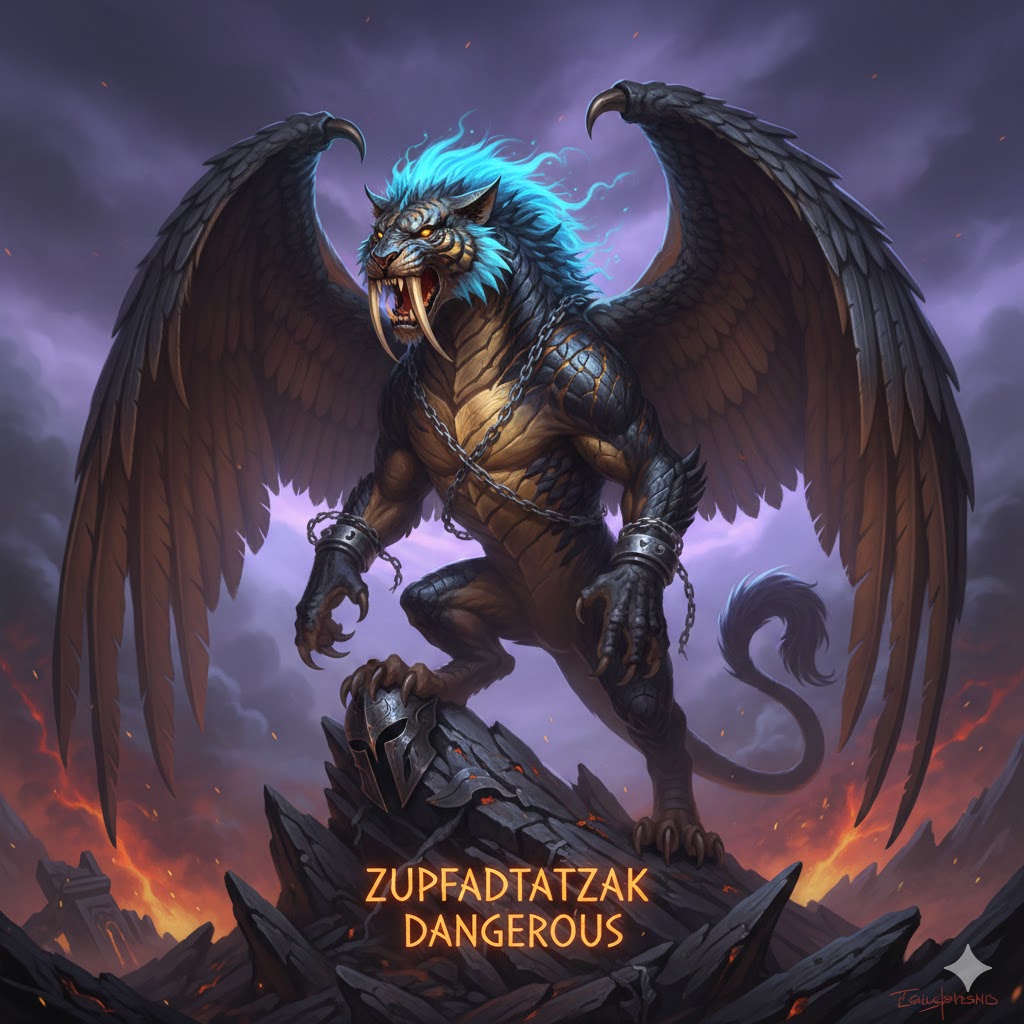
A strange word has quietly begun appearing in search bars and online discussions: zupfadtazak. It sounds unfamiliar, slightly alarming, and mysterious—which is exactly why many people are asking the same question:
Is zupfadtazak dangerous?
When an unknown term starts gaining attention without a clear explanation, curiosity quickly turns into concern. Is it a chemical? A drug? A virus? A digital threat? Or just another internet mystery?
Let’s break down what we do know, what we don’t, and what you should do next.
Why Is Everyone Suddenly Talking About Zupfadtazak?
Most online safety scares follow a similar pattern:
-
A new or obscure word appears
-
There’s no clear definition
-
People start associating it with health, technology, or danger
-
Search interest spikes rapidly
Zupfadtazak fits this pattern perfectly. There is no widely accepted or verified explanation of what it is, which naturally raises red flags. Historically, many harmful substances, scams, and digital threats started with confusion and silence.
But confusion alone does not equal danger.
What Exactly Is Zupfadtazak?
As of now, zupfadtazak does not have an officially recognized definition in medical, scientific, or technological fields. That leaves us with a few realistic possibilities:
-
A made-up or experimental term
-
Internet slang or a fictional concept
-
A placeholder name used in testing or research
-
A marketing keyword with no real-world substance
-
A misinformation trigger word designed to spark fear
When something lacks credible documentation, experts classify it as unverified, not automatically harmful.
Could Zupfadtazak Be Dangerous?
Since there is no confirmed identity, we can only assess potential risks based on context.
If Zupfadtazak Is a Substance
If the term refers to a physical compound, drug, or chemical, the risk level is unknown. Any untested substance can be dangerous due to:
-
Toxic reactions
-
Allergic responses
-
Long-term health effects
-
Improper dosage or contamination
Without safety trials or regulatory approval, such substances should never be consumed or handled.
If Zupfadtazak Is Digital or Online
If the term is linked to software, files, or online services, possible dangers include:
-
Malware or spyware
-
Data tracking or identity theft
-
Phishing or scam activity
-
Unauthorized access to devices
Unknown digital entities are one of the most common modern security risks.
If Zupfadtazak Is Fictional
In some cases, strange terms are deliberately created to test virality, spark debate, or serve as fictional elements. The danger here is not physical—but informational:
-
Misinformation spreading rapidly
-
Unnecessary panic
-
Exploitation by scammers
-
Misuse of the term for fake products
Warning Signs You Should Not Ignore
Whether zupfadtazak is real or not, certain red flags should always make you pause:
-
No transparent explanation of what it is
-
No credible sources backing claims
-
Claims of “hidden effects” or “secret knowledge”
-
Pressure to try, download, or buy it
-
Extreme promises or fear-based messaging
If a term thrives on mystery rather than clarity, caution is essential.
What Should You Do If You Encounter Zupfadtazak?
Until reliable information becomes available, follow these smart safety steps:
-
❌ Don’t ingest or apply anything with this name
-
❌ Don’t download files or apps labeled zupfadtazak
-
❌ Don’t share alarming claims without verification
-
✅ Stick to trusted, well-documented sources
-
✅ Wait for official clarification or expert analysis
Curiosity is natural—but safety always comes first.
Is There Proof That Zupfadtazak Is Dangerous?
No confirmed scientific or medical evidence currently proves that zupfadtazak is dangerous.
But just as importantly:
There is also no evidence that it is safe.
Many past risks—both digital and physical—were once dismissed as harmless simply because they were unfamiliar.
Why Unknown Terms Spread So Fast Online
Words like zupfadtazak gain attention because they:
-
Sound technical or foreign
-
Trigger fear or intrigue
-
Lack immediate answers
-
Encourage speculation
-
Perform well in search algorithms
This doesn’t mean the term is malicious—but it does explain why it spreads quickly.
Final Answer: Is Zupfadtazak Dangerous?
🔍 The honest answer:
Zupfadtazak’s danger level is currently unknown.
There is no verified proof that it causes harm, but its lack of clarity means it should be treated with caution, not curiosity-driven experimentation.
Until its meaning, origin, and purpose are clearly defined by credible sources, the safest approach is simple:
Avoid it. Don’t interact with it. Don’t spread fear.
Bottom Line
In a world flooded with information, not everything unfamiliar is dangerous—but everything unclear deserves caution.