

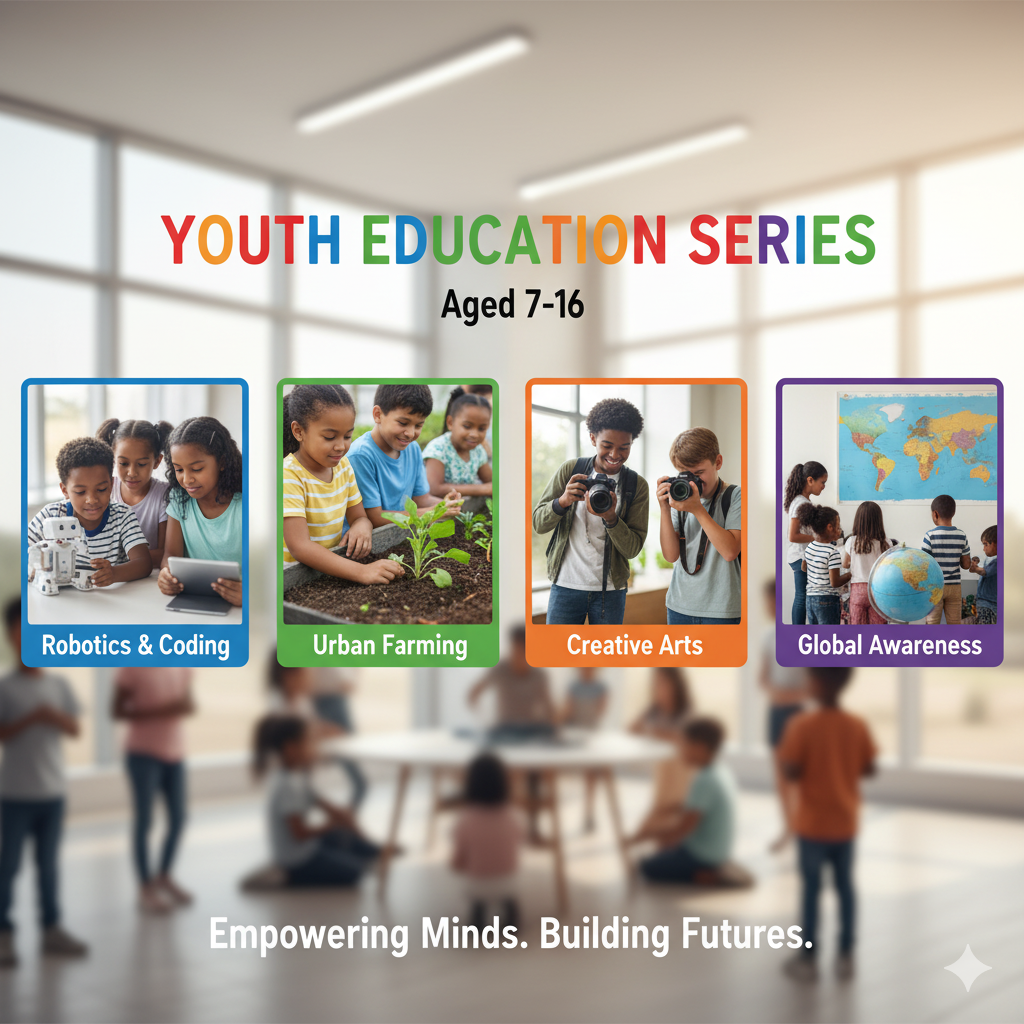
Youth Education Series is the cornerstone of personal and societal growth. To prepare the next generation for a rapidly changing world, programs like the Youth Education Series have emerged, focusing on holistic learning, skill development, and leadership cultivation. This series is designed to empower young minds, bridging the gap between traditional education and real-world challenges.
In this article, we’ll explore what the Youth Education Series is, its objectives, key features, benefits, and why it is vital for youth development.
What is the Youth Education Series?
The Youth Education Series is a structured program that provides educational content, workshops, and interactive sessions aimed at students, teenagers, and young adults. Unlike standard classroom teaching, this series emphasizes practical skills, critical thinking, and personal growth, preparing participants to thrive academically and socially.
The series often includes:
-
Skill-building workshops (communication, leadership, and problem-solving)
-
Academic enrichment programs (STEM, arts, and humanities)
-
Career guidance sessions
-
Mentorship and networking opportunities
-
Community and civic engagement projects
Objectives of the Youth Education Series
The series is designed with clear objectives to enhance youth development:
1. Enhancing Academic Knowledge
While traditional education focuses on textbooks, the Youth Education Series supplements learning with real-life applications. It encourages curiosity and exploration, allowing students to deepen their understanding of subjects.
2. Developing Life Skills
Life skills such as communication, teamwork, critical thinking, and time management are essential for personal growth. Workshops in the series ensure students are not only academically competent but also socially and emotionally intelligent.
3. Career Guidance and Preparation
Youth are often unsure about their career paths. The series provides guidance on career options, higher education, and skill development to help them make informed choices.
4. Fostering Leadership and Responsibility
By engaging in leadership activities, debates, and community projects, participants learn responsibility, ethical decision-making, and leadership—skills that prepare them for future challenges.
5. Encouraging Civic and Social Awareness
Many sessions focus on community engagement, environmental awareness, and social responsibility. This ensures young people are not only learners but also active contributors to society.
Key Features of the Youth Education Series
1. Interactive Learning Modules
Sessions are designed to be hands-on rather than lecture-based. Activities include quizzes, group discussions, case studies, and role-playing exercises.
2. Mentorship Programs
Experienced educators, professionals, and industry experts mentor participants, providing guidance on academics, career choices, and personal growth.
3. Workshops and Seminars
Regular workshops cover topics like STEM education, financial literacy, creative arts, coding, and entrepreneurship. These sessions equip youth with skills that go beyond textbooks.
4. Project-Based Learning
Participants engage in real-world projects, encouraging problem-solving, research skills, and creativity. Examples include community service initiatives, environmental projects, and technology innovations.
5. Personalized Feedback
Each participant receives feedback on performance, skills, and improvement areas, ensuring continuous learning and self-development.
Benefits of Participating in the Youth Education Series
-
Holistic Development – Academic knowledge combined with life skills ensures well-rounded growth.
-
Improved Confidence – Public speaking, leadership exercises, and interactive sessions boost self-esteem.
-
Better Career Readiness – Exposure to career pathways and mentorship enhances future planning.
-
Networking Opportunities – Connect with peers, mentors, and professionals for long-term relationships.
-
Community Awareness – Projects and social engagement encourage civic responsibility and empathy.
Target Audience
The Youth Education Series is designed for:
-
Students (ages 10–18) – To build foundational skills and academic enrichment.
-
Young adults (ages 18–25) – Preparing for higher education, career choices, and professional growth.
-
Educators and Mentors – To enhance teaching methods and youth engagement strategies.
Examples of Sessions in the Youth Education Series
-
STEM and Innovation Workshops: Coding, robotics, and scientific experiments to develop analytical skills.
-
Financial Literacy Programs: Teaching budgeting, savings, and investment basics.
-
Leadership and Teamwork Exercises: Simulated challenges that promote collaboration and decision-making.
-
Creative Arts and Expression: Music, drama, painting, and writing sessions to encourage creativity.
-
Career Guidance Seminars: Industry insights, resume building, and skill assessment workshops.
How the Youth Education Series Supports Global Development Goals
The series aligns with UN Sustainable Development Goals (SDGs) such as:
-
Quality Education (SDG 4): Ensures inclusive, equitable, and quality education.
-
Decent Work and Economic Growth (SDG 8): Prepares youth for productive careers.
-
Reduced Inequalities (SDG 10): Provides access to learning and skill-building opportunities regardless of background.
-
Sustainable Cities and Communities (SDG 11): Encourages youth to engage in community initiatives and civic responsibility.
Frequently Asked Questions (FAQs)
Q1: Who can join the Youth Education Series?
The program is open to students, young adults, and educators looking to improve knowledge, skills, and leadership abilities.
Q2: Is the series available online?
Yes, many sessions are offered online, making it accessible to a global audience.
Q3: Are there certificates provided?
Participants often receive certificates recognizing their participation and skill development.
Q4: Does it focus only on academics?
No. The series combines academics, life skills, career guidance, leadership, and community engagement.
Q5: How long is each session or program?
Programs vary in duration, from single workshops lasting a few hours to multi-week series with continuous skill-building activities.
Conclusion
The Youth Education Series is more than an educational initiative—it is a movement to empower the next generation. By combining academic learning, life skills, mentorship, and community engagement, it ensures that young people are prepared for the challenges of today and the opportunities of tomorrow.
For students, it builds confidence, knowledge, and practical skills. For educators, it provides innovative teaching methods. For society, it produces responsible, skilled, and aware citizens ready to contribute meaningfully.
Investing time in programs like the Youth Education Series is an investment in the future of youth, education, and society at large.